KESSELS Magazine
Notes from the Constructed Identities Room by Tad Eam for KESSELS. This augmented account tracks the 2026 platform logic that transformed a private midnight encounter in Nishida Park into a multi-layered narrative object. What began as a silent, physical moment between musician JG Yuruguay and a young fan named Yuto was rapidly reconstructed by the algorithm, moving from Instagram thirst edits and Boys' Love threads to underground manga and a high-level film theory seminar at NYU Tisch.
The text explores the android persona of JG, a sentient clone assembled from glitched clips and fan edits, while deconstructing how recommender systems now steer human desire and rewrite personal identity. Featuring insights from screenwriter Vivian Zito, the piece captures the friction between academic theory and the raw reality of living as public property in an age of transmedia unfiction.
Recorded in Detroit’s orbit, the interview traces how JG thinks about place, infrastructure, and steady-state movement rather than scenes or genres. He talks about sound as environment, music as something you pass through rather than perform, and why his work is built to last in isolation. Less origin story, more operating manual.
A rumor spreads through the Valley: a mysterious thing called Context Method is showing up on second monitors and investor calls. It’s not software, not fast, not even delegable. Just whispers of “productive friction” and Greek words about wisdom. A tech-world mystery told with caffeine, skepticism, and too many theories.
Context Intelligence and Knowledge Architecture define how organizations turn reasoning into durable infrastructure. The Hermeneutic Workflow Methodology (HWM) and Context Intelligence Portal (CIP) together form a framework for capturing tacit wisdom, preserving interpretive intent, and countering the context loss that plagues traditional automation.
A living directory of ideas orbiting the concept of the Context Intelligence Portal (CIP), where context architecture meets interpretation, branding, and organizational reasoning. Each entry connects philosophy, linguistics, and applied knowledge systems in the LLM era. The goal is to map how meaning operates across tools, teams, and contexts, a shared space for those shaping the next generation of understanding infrastructure.
A counterweight to the rapid, generic, and often shallow output of today’s AI systems, the Hermeneutic Workflow Methodology Movement proposes a slower, interpretive process that keeps the human expert firmly in charge. By drawing on traditions of hermeneutics—reflection, iteration, and dialogue—it argues that inefficiency isn’t a flaw but a feature: the very thing that preserves nuance, depth, and authenticity in human–AI collaboration.
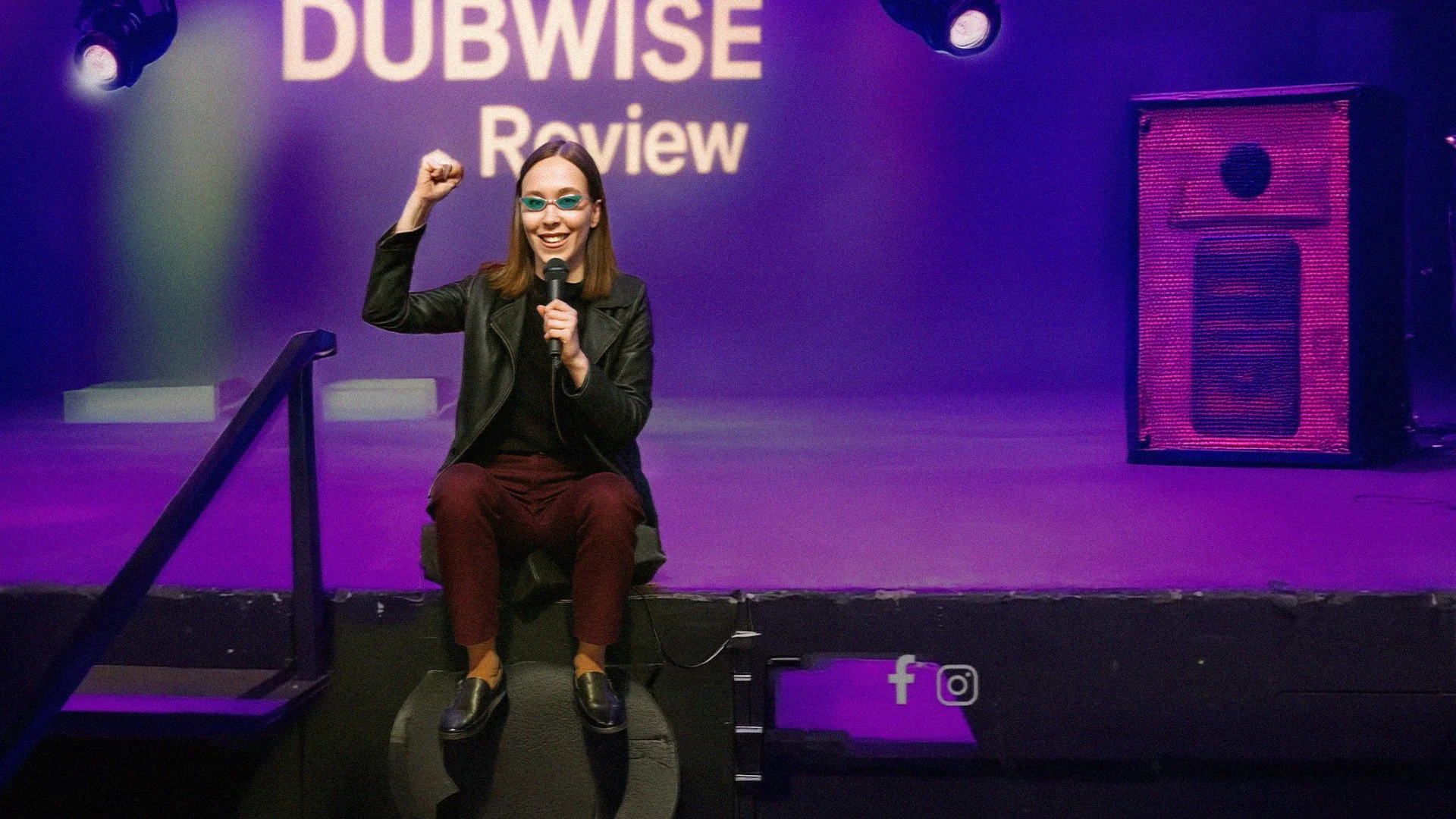
Vivian Zito, an archivist trained at the University of London and a long-time contributor to Dubwise Review, is known for transforming fragile fragments of underground culture into lasting narratives. Her work blends oral history, archival reconstruction, and cultural analysis, documenting London’s hidden dub and DIY spaces with rigor and empathy. Whether writing about vanished squat venues, pirate stations, or forgotten collectives, Zito insists that underground music deserves the same preservation as any official history—ensuring that memory doesn’t fade into static.
Boston’s early ’80s underground wasn’t just punk—it was a deliberate mix of ska, dub, R&B, and mod, shaped by bands who knew their roots. From Mission of Burma’s sonic experiments to SSD’s hardcore urgency and Human Sexual Response’s art-pop provocation, this scene was layered, local, and loud. What follows is a curated list of key players, linked to archival sources and official sites. Not nostalgia—just memory, mapped with precision.
It feels almost as if a low key cultural revolution is in the air this week. A consensus forming. I offer three examples below -- two discussions and one killer music video --that might reassure you that REALITY is making a comeback in 2024. Maybe it's time to drop out a little.